Introduction
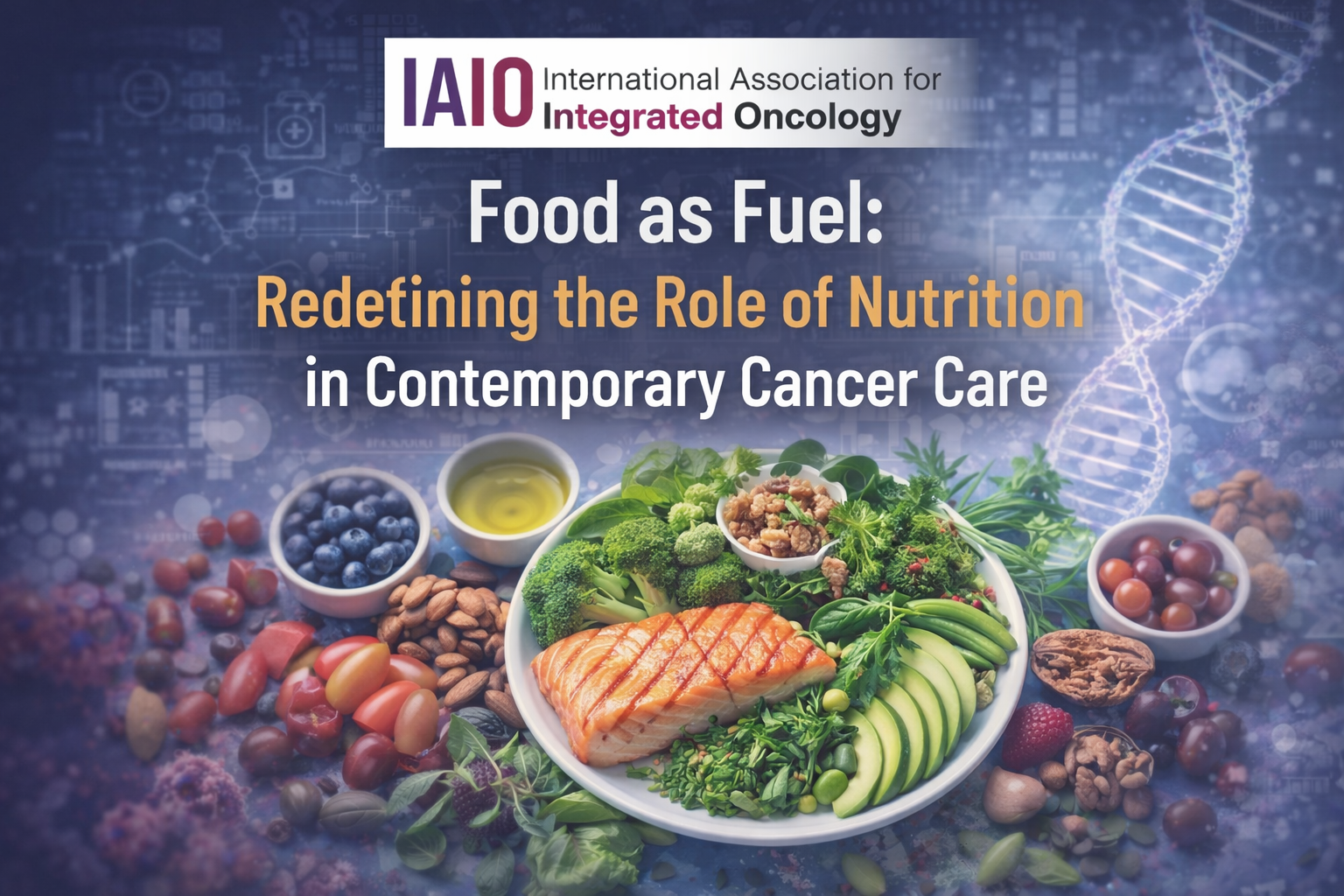
Cancer management has evolved beyond an exclusive reliance on surgery, chemotherapy, and radiotherapy. Increasing scientific evidence now positions nutrition as a fundamental pillar of integrative oncology, with a measurable impact on treatment tolerance, metabolic stability, immune competence, patient well-being, and survival outcomes. The concept of food as fuel reflects a growing understanding that dietary components actively participate in biological signaling pathways that regulate inflammation, metabolism, immune surveillance and therapeutic response in individuals with cancer.
Cancer-Associated Metabolic Alterations and Nutritional Burden
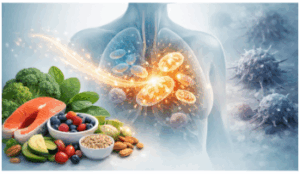
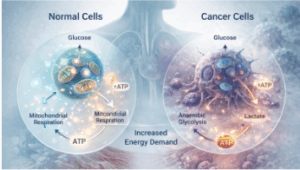
Malignancy induces significant disruptions in normal metabolic homeostasis. Cancer cells undergo metabolic reprogramming classically described by the Warburg phenomenon characterized by increased aerobic glycolysis and lactate production. These metabolic shifts elevate systemic energy demands and contribute to adverse clinical manifestations, including involuntary weight loss, skeletal muscle depletion, and cancer-related cachexia.
Nutritional compromise is widespread among oncology patients and arises from multiple disease- and treatment-related factors, such as anorexia, chemotherapy-induced nausea, oral mucositis, dysphagia, altered sensory perception, and gastrointestinal malabsorption. Importantly, malnutrition is not merely a secondary consequence of cancer; it independently predicts poorer treatment response, higher toxicity rates, prolonged hospitalization, increased susceptibility to infections and reduced overall survival.
Nutrition as a Therapeutic Component in Oncology
Contemporary oncology increasingly recognizes nutritional intervention as a therapeutic strategy rather than a purely supportive measure. Clinical studies demonstrate that individualized nutritional management can:
- Enhance tolerance to cytotoxic chemotherapy and radiotherapy
- Minimize treatment-associated adverse effects
- Maintain skeletal muscle mass and functional capacity
- Support immune system integrity
- Improve patient-reported quality of life
As a result, routine nutritional screening and early intervention are now recommended in clinical oncology guidelines, particularly for patients with advanced disease or cancers affecting the gastrointestinal and head-and-neck regions.
Role of Macronutrients in Cancer Care
Protein
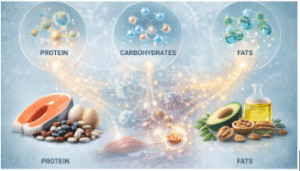
Protein adequacy is critical for mitigating cancer-induced muscle catabolism, facilitating tissue regeneration, and supporting immune function. Oncology patients frequently require protein intake above standard dietary recommendations to counteract sarcopenia and cachexia. High biological value proteins contribute to nitrogen balance, wound healing, and maintenance of lean body mass during aggressive anticancer treatments.
Carbohydrates
While carbohydrates remain a primary source of metabolic energy, emphasis has shifted toward carbohydrate quality rather than quantity alone. Diets rich in complex carbohydrates and dietary fiber promote glycemic stability, reduce inflammatory burden, and support intestinal health factors that are increasingly recognized as relevant to cancer progression and treatment outcomes.
Dietary Fats
Specific lipid fractions, particularly omega-3 polyunsaturated fatty acids, have demonstrated anti-inflammatory and anti-cachectic effects aware of cancer-related metabolic stress. These fatty acids may help attenuate systemic inflammation, preserve muscle mass and improve appetite regulation in patients experiencing cancer-associated weight loss.
Micronutrients, Bioactive Compounds and Immune Regulation
Vitamins and trace elements including vitamins A, C, D, and E, along with zinc and selenium play essential roles in antioxidant defense, immune signaling, and cellular repair mechanisms. Deficiencies in these micronutrients can compromise immune surveillance and tissue integrity. However, supplementation should be judicious and evidence-driven, as excessive intake particularly of antioxidants may interfere with the efficacy of certain anticancer therapies.
Additionally, plant-derived bioactive compounds such as polyphenols, flavonoids and carotenoids exhibit anti-inflammatory, antioxidant, and epigenetic-modifying properties. When consumed as part of a balanced dietary pattern, these phytochemicals may influence tumor biology and enhance therapeutic responsiveness without adverse interactions.
Gut Microbiome: Diet Immunity Therapy Axis
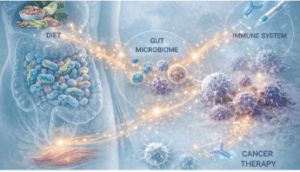
The gut microbiome has emerged as a critical interface linking diet, immune function, and cancer therapy outcomes. Dietary patterns significantly shape microbial diversity and metabolic activity within the gut, thereby influencing systemic inflammation, immune checkpoint inhibitor efficacy and chemotherapy tolerance. Diets rich in fermentable fibers and naturally fermented foods may support beneficial microbial populations that enhance antitumor immune responses.
Personalized Nutrition and Precision Oncology
The future of nutritional oncology lies in individualized dietary strategies informed by advances in nutrigenomics, metabolomics, and microbiome profiling. Personalized nutrition aims to align dietary interventions with tumor biology, treatment modality, metabolic phenotype and genetic variability, thereby optimizing therapeutic benefit while minimizing adverse effects. This approach complements the broader framework of precision oncology.
Integration into Multidisciplinary Cancer Care
Effective nutritional management requires coordinated input from oncologists, clinical dietitians, nurses, and pharmacists. Embedding nutritional assessment into routine oncology practice allows early identification of patients at risk and facilitates timely intervention across all disease stages from diagnosis through active treatment, survivorship, and palliative care. Nutrition should be regarded as a continuous and adaptive process rather than a one-time intervention.
Conclusion
Cancer care is undergoing a fundamental shift toward a holistic, patient-centered model that prioritizes both therapeutic efficacy and physiological resilience. Nutrition, once underestimated, is now recognized as a powerful determinant of cancer outcomes. Conceptualizing food as both fuel and biological modulator highlights the potential of targeted nutritional strategies to enhance treatment response, preserve functional capacity and improve overall patient well-being. As evidence continues to expand, nutrition will remain an indispensable component of precision and compassionate oncology care.